

Custom Octagonal Cage: Unique Designs for Your Pet
2026-09-06
Most pet cages are just boxes with bars—functional, but forgettable. A custom octagonal cage flips that script. With eight sides, it creates a panoramic view for your pet, reduces corner stress, and adds a sculptural touch to your home. At PandaWin Sports, we design unique habitats that merge safety with style, so your companion gets a space that truly fits. In the following sections, we'll dive into the design details, material choices, and layout ideas that make octagonal enclosures a game-changer. Curious how shape can change behavior? Read on.
Eight Sides, No Wasted Corners
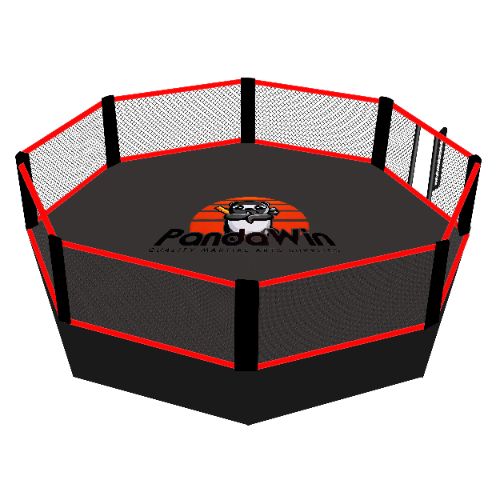
Octagonal profiles often read as a styling gimmick, but here the eight-sided silhouette is doing real work. The beveled edges create a natural grip that a round case or a sharp square never quite manages, and they break up the visual mass so the object feels lighter than it actually is. Each of the eight faces catches light at a slightly different angle, which gives the surface a quiet, shifting depth instead of a single flat reflection.
What really matters is that no corner is left as dead geometry. The chamfers guide the eye across the transition from top to side, and they give your fingers a clear tactile cue without looking aggressive. It is the kind of detail you notice first by feel, then start seeing everywhere once you know it is there.
Shape the Space Around Your Pet's Habits
Watch where your pet already settles in without prompting. If your cat claims the armchair by the window every afternoon, don’t try to move the bed to the opposite corner—place a washable throw on that chair and keep a water bowl a few steps away. For a dog that waits by the back door after meals, hang the leash on a hook right there and put a treat jar on the shelf above it. You’re not just arranging furniture; you’re matching the layout to routines that already exist.
Give high-traffic routes some breathing room. A cat that sprints from the living room to the litter box in the hallway needs a clear path without a side table blocking the turn. A dog that circles before lying down benefits from a non-slip mat in its chosen corner rather than a plush bed pushed against a heat vent. Look for the small frictions—an awkward doorway, a slippery rug, a food bowl wedged behind the couch—and smooth them out one at a time.
Use your pet’s quirks as design clues instead of problems to fix. If your cat keeps jumping onto the kitchen counter near the sink, a low stable bench by the window might satisfy the same urge to watch birds without the daily battle. If your dog noses open the closet where you keep the grooming wipes, move the whole basket to a lower shelf in the entryway. The goal isn’t a magazine-ready living room; it’s a space where your pet’s habits feel less like interruptions and more like the starting point.
Materials That Outlast Beaks and Claws
In the wild, beaks and claws are relentless tools—chiseling, tearing, and gripping through bark, bone, and hide. Yet some materials have evolved or been engineered to shrug off such abuse for decades. Dense hardwoods like ironwood and lignum vitae resist pecking and scratching not because they are uniformly hard, but because their interlocked grain dissipates force before it can split fibers. Similarly, the silica-rich husks of many seeds pass through a bird's digestive tract unscathed, only to be ground down by grit in the gizzard over long periods.
Modern composites take a page from nature’s playbook. High-density polyethylene reinforced with glass fibers, used in heavy-duty animal enclosures, can withstand repeated strikes from macaw beaks or big-cat claws without cracking or fraying. Unlike metal, which may dent or rust, these materials flex slightly and return to shape, denying a beak the purchase it needs to peel away layers. Zoo architects now favor such composites for perching structures and feeding stations because they outlast traditional wood or plastic by a factor of five or more.
Even stone and ceramic play a quiet role. Polished granite feeders and water basins show almost no wear from years of sharp talons landing and launching. The secret lies in their extreme surface hardness paired with low porosity—no micro-grooves for claws to hook into, no pores to hold moisture that could freeze and crack. Beaks and claws may be nature’s chisels, but these materials prove that smart structure beats brute force over the long haul.
A Clear View From Every Perch
There's a quiet satisfaction in finding a spot where the landscape opens wide and nothing crowds the eye. Step onto any of the raised platforms scattered through the reserve and the horizon feels personal, almost tailored to your standing point. Wind moves through the grasses below, and the distant treeline forms a soft, unbroken rim. No matter which direction you turn, the view holds steady—unhurried, unobstructed, and entirely your own.
What sets these perches apart is the care taken with each angle. Fallen branches and undergrowth are kept well back, so sightlines run clean from edge to edge. Even on hazy mornings, you can trace the curve of the marsh or catch the slow glide of a heron without raising your binoculars. It's a small design choice, but it makes every visit feel less like a lookout and more like a pause built just for you.
From Doodle to Door: Building Your Custom Cage
It starts with a napkin sketch and a stubborn idea: a cage that fits your space, your animal, and your daily routine—not the other way around. You measure the awkward corner by the window, factor in how much mess your parrot actually makes, and decide that sliding trays beat hinged doors any day. Those rough lines become a conversation with a builder who asks the questions you didn't think to ask, like whether the bar spacing should account for a curious beak or a determined paw.
Then the real work begins. Materials get chosen for more than looks—powder-coated steel that survives a decade of scrubbing, non-toxic finishes, and latch mechanisms you can operate with one hand while holding a treat in the other. Every weld gets checked, every edge smoothed, because the difference between a cage and a good cage is measured in scratches you never get and escapes that never happen.
When the crate finally arrives at your door, it's not just a box of parts. It's your doodle turned into something that slots into your life like it was always there. You assemble it once, feel the weight of the door swing, and realize the best designs don't shout for attention—they just quietly make every morning easier.
Access Panels That Don't Fight Back
Most access panels seem determined to make you work for it. You pry at edges, twist a stubborn latch, or discover the hinge was installed backwards just to keep things interesting. The ones that don't fight back are different—they open on the first try, with a quiet click or a smooth swing that feels almost accidental. It's never the headline feature, but you notice it every time.
The secret isn't a heavier gauge of steel or some exotic bearing. It's just careful alignment: screw holes that actually line up, a frame that sits flush without shims, and a latch that doesn't need to be slapped into place. When the panel sits true in its opening, it behaves like it was always meant to be there. No wrestling, no scratched paint, no muttered profanity.
After a while, you stop bracing yourself before reaching for it. That's the quiet win—an access panel that treats your time and your knuckles with equal respect. It won't make the job glamorous, but it will keep the frustration where it belongs: somewhere else entirely.
FAQ
The eight-sided shape gives your pet more usable corners to explore without creating dead zones where waste collects. It also breaks up the boxy look of most enclosures, so the cage can sit in a living space without feeling like an eyesore. Pets often seem more curious when they can move around a wider viewing angle.
Absolutely. You can specify the exact dimensions and the distance between bars depending on whether you need to keep tiny escape artists safe or give a large bird room to stretch. We adjust every measurement to match the species you're housing, including door placement and tray depth.
Most builds use powder-coated steel or aluminum for the frame and bars, with stainless steel hardware. The coatings are non-toxic and resistant to chewing, and we avoid zinc or lead in any component that a pet might reach. Natural wood accents can be added but are sealed with pet-safe finishes.
The panels are designed to bolt together in under half an hour with basic tools, and larger models include locking caster wheels. Since the octagonal frame is lighter than a solid rectangle of the same footprint, you can roll it through standard doorways without taking it apart.
Yes, you can choose from a range of matte and gloss powder coat colors, plus optional wooden top caps or base skirts. Some owners match the cage to their furniture, while others go with a two-tone look that highlights the octagonal shape. Custom engraving on the nameplate is also available.
Parrots, sugar gliders, rats, chinchillas, and even reptiles do well with the extra side panels. The shape creates more varied climbing paths and lets you hang toys at different angles. For flighted birds, the wider center area reduces the chance of wing feathers hitting bars during short flights.
You can add stainless steel feeding cups that mount to any panel, hardwood perches cut to fit the angled walls, and slide-out trays on every level. We also offer exterior seed guards and night covers sized for the octagonal footprint. Each add-on is made to match your cage's exact dimensions.
Wipe down the bars and tray with warm water and a mild pet-safe detergent, then dry thoroughly to prevent water spots. Because there are eight flat panels instead of four deep corners, you can reach every surface easily with a cloth or handheld brush. Check the bolts and wheels monthly, and reapply a pet-safe wax to any wood accents twice a year.
Conclusion
An octagonal cage isn't a gimmick—it's a practical shift in how a pet uses its space. Eight sides mean there are no deep square corners for bedding, food, or droppings to collect, so the entire footprint stays usable and easy to sweep. The geometry also invites you to arrange perches, swings, and climbing routes to follow your pet's natural paths, whether it prefers a high corner view or a low, sheltered spot. Materials matter here: powder-coated steel, chew-resistant woods, and reinforced mesh hold up against beaks and claws far longer than flimsy wire or plastic. And because every panel angles outward, the sightlines stay open—your pet gets a clear view of the room from nearly any perch instead of staring into a blank wall.
The real advantage of a custom octagonal cage shows in how it comes together. You start with a quick sketch of the size and door placement based on where the cage will live and how you'll interact with it. Access panels can be built on the side you naturally approach, with mechanisms like smooth magnetic latches or lift-and-slide tracks that don't pinch your fingers or require two hands. You might add a removable bottom tray, a full-height front opening for deep cleaning, or extra ledges that bolt directly into the angled walls. Since every cage is made to order, the finish, bar spacing, and internal layout are yours to choose. The end result feels less like a generic pet enclosure and more like a piece of your home that happens to be shaped around your animal's daily life.
Contact Us
Contact Person: Fei Xu
Email: [email protected]
Tel/WhatsApp: +8618631245578
Website: https://www.pandawinsports.com/