

Professional Daredevil Costume: Ultimate Guide to an Authentic Look
2026-07-25
Daredevil’s signature red suit is more than just a costume—it’s the armor of a relentless hero who turns disability into a superpower. Whether you’re gearing up for a convention or a night patrol of your own, crafting an authentic look means sweating every detail, from the textured cowl to the billy club holster. At CCosplay, we know that the devil is literally in the details, and this guide breaks down everything you need to bring the Man Without Fear to life.
Breaking Free from the Spandex Trap: Why Texture Matters More Than Stretch
We've been conditioned to equate comfort with stretch, stuffing our closets with spandex-blend everything as if elasticity alone were the hallmark of a well-made garment. The result is a sea of nondescript, overly clingy pieces that promise freedom of movement but deliver a prison of monotony. True ease doesn't come from being squeezed into submission by synthetic fibers; it emerges when fabric works with your body, not against it, through thoughtful construction and tactile richness.
Texture does what stretch cannot—it gives clothing soul. A nubby linen, a softly brushed cotton flannel, or a subtly ribbed knit invites touch and catches light in a way that flat, elasticized surfaces never will. These fabrics age gracefully, developing a patina that tells a story, while spandex-bound garments often lose their shape and appeal after a few washes. When you prioritize texture, you're choosing depth over disposability, and suddenly your outfit feels less like a uniform and more like a quiet statement.
Escaping the spandex trap means redefining how we dress for daily life. It's about finding pleasure in a crisp poplin shirt that softens with wear, or a wool tweed skirt that moves with you but holds its structure. The next time you reach for that stretchy default, pause and let your fingers do the choosing—the fabric's hand will guide you toward something more lasting, more personal, and infinitely more interesting.
The Horns Tell the Story: Sculpting a Mask That Commands Respect
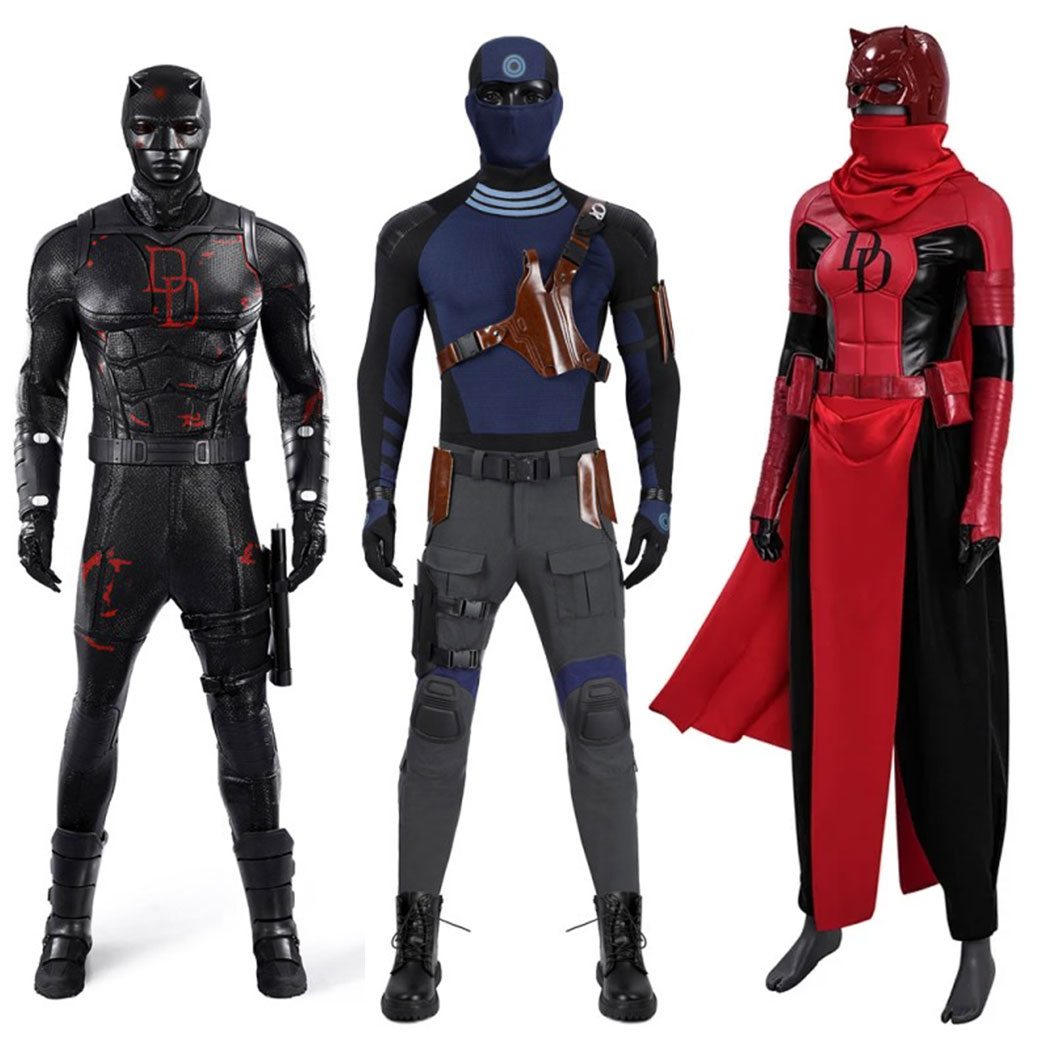
Every curve carved into the wood speaks of heritage, but the horns? They don't just adorn—they assert. In many traditions, a mask gains its authority through what rises above it, and horns are the unmistakable signature of power, signaling a connection to the animal world's raw, untamed presence. When sculpting, the angle and taper of each horn is a deliberate choice: slightly forward-tilted to suggest aggression, swept back for wisdom, or spiraled to evoke spiritual ascent. The story isn't whispered by the face alone; it's shouted by the silhouette that crowns it.
The hands that shape these masks understand that respect isn't requested—it's commanded through detail. A horn that emerges too thin feels brittle, too thick becomes brutish. The master carver balances proportion with intention, often incorporating subtle ridges or burnished highlights that catch firelight just so. In performance, the mask moves, and the horns catch the eye first, anchoring the dancer's transformation. Spectators don't need an explanation; the authority is immediate, built into the very bone of the creation.
Across cultures, horned masks often belong to figures of judgment, leadership, or mediation—those who stand between worlds. To sculpt one is to accept a responsibility: this object will be seen before the wearer is heard. That's why the final touch is often a secret, a mark left by the artist that only the initiated might find. The horns tell the story, but the respect? That's earned in the quiet moment when the mask is first raised, and the room falls silent.
Color That Fades, But Never Forgets: Achieving the Perfect Worn Crimson
The charm of worn crimson isn't in its perfection but in the quiet narrative it holds. It starts with a deliberate choice of dye—a pigment that clings lightly, allowing the fabric's weave to peek through. Over time, sunlight and friction become your collaborators, softening the hue into a spectrum of weathered reds, each crease and abrasion marking a moment. This color doesn't shout; it whispers stories of afternoons spent in forgotten fields or evenings under amber light, growing more personable with every fade.
To capture this elusive shade, begin with an overdyed base that's just slightly too bold. Then, accelerate the honest wear: saltwater soaks under the noon glare, gentle abrasion with fine pumice along seams and hemlines, a careful, uneven brushing that mimics years of use. The result is a crimson that's blushed with undertones of brown and rust, never uniform, always warm. It's a palette that feels found rather than created, a testament to the beauty of gradual surrender.
The real secret lies in knowing when to stop. Resist the urge to even out the fading or correct the naturally occurring highs and lows. That slight paleness at the shoulder, the deeper streaks where an arm might have rested—these imperfections are the hallmark of authenticity. When light catches it, the color shifts like embers dying in a hearth, holding onto a glow that's both fading and unforgettable. It's not merely a shade but an echo of time, a crimson that forgets nothing and forgives everything.
From Courtroom to Rooftop: Layering for a Transition-Ready Daredevil Look
Sharp tailoring doesn’t have to mean stiff. A well-cut blazer in charcoal or navy—think lightweight wool with a hint of stretch—feels as natural in a deposition as it does unbuttoned with the sleeves shoved up. The trick is what lives underneath: a merino turtleneck instead of a dress shirt, dark, no tie, skimming the neck without suffocating it. When five o’clock hits, you’re already halfway to rooftop-ready; just lose the blazer, swap the oxfords for chunky-soled Chelseas, and let the knit do the talking.
Between the suit and the skyline sits the real workhorse. A slim, unlined leather jacket in black or oxblood stows flat under a topcoat at the office, then emerges after dark as the anchor of a look that says you’ve got range. Layer it over that turtleneck and add a pair of tapered cargo trousers—the kind that taper hard at the ankle and ditch the excess pockets—to bridge the gap between boardroom polish and back-alley grit. The textures play off each other: smooth grain leather against fine-gauge merino, a shadow plaid peeking from the blazer you slung over your shoulder. Nothing feels like an afterthought.
Accessories pull the switch. A braided leather belt with a low-profile buckle replaces the standard dress one, while a slim metal watch with a matte finish reads more mechanic than magistrate. Stash a beanie in your bag—because rooftop winds don’t care about your part line—and swap the briefcase for a waxed canvas backpack that’s seen a few trips. Suddenly you’re stepping onto the gravel with a drink in hand, jacket collar popped, looking less like you just left the office and more like this was always the plan.
Billy Clubs and Beyond: Weapon Props That Don’t Look Like Toys
There’s an art to crafting a weapon prop that feels genuinely menacing on screen or stage, and it often has little to do with making it look like a real weapon. A billy club, at first glance, might seem unremarkable—just a length of turned wood or a thick leather handle. But when it’s in the hands of an actor who treats it with casual cruelty, it becomes an extension of silent intimidation. The best props avoid shiny plastic finishes and hollow rattles; they need heft, wear patterns, and subtle asymmetry to suggest they’ve knocked sense into one too many troublemakers. A prop master might distress leather wraps until they darken with phantom palm sweat, or add tiny notches and dents that only a close-up camera would catch, yet the audience feels the weight of that history.
Beyond clubs, there’s a whole class of props that blur the line between innocent object and concealed weapon. A heavy crystal paperweight in a noir film can crack a skull more convincingly than a fake gun ever would, because it’s believable as both decoration and deadly tool. The secret is letting the prop exist naturally in the scene before its violent turn—it sits on a desk holding down papers, then shifts, unobtrusively, into a character’s grip. Similarly, a motorcycle chain wrapped in a scrap of old leather doesn’t need to be sharp; it just needs to sound right when it’s slammed against a table and to hang with a certain sluggish heaviness. These props reward design choices that embrace material honesty: real metal that’s been dulled, or thick glass that catches the light but has too much weight to be mistaken for a toy.
What elevates these unassuming weapons is how they contribute to a character’s unspoken narrative. A police captain’s polished nightstick tells a different story than the same club carried by a thug, even if the prop started life as the same piece of shaped wood. Costume and context do half the work, but the prop itself needs to reflect that role—perhaps with a high-gloss finish that suggests parade-ground authority, versus a chipped, grimy surface that implies back-alley justice. When we watch, we don’t consciously register that the prop has been carefully engineered to trigger a visceral reaction, but we feel it in our bones. That’s the enduring magic of practical effects done right: the subtle dread stirred by an everyday object turned quietly lethal.
Sweat, Grime, and Grit: Weathering Techniques for a True Hell’s Kitchen Vibe
Hell’s Kitchen doesn’t look brand new—it looks lived in, fought over, and barely holding together. To capture that, start by breaking down the glossy perfection of your set or props. Sand down edges, add dents with a hammer wrapped in cloth, and scratch surfaces with steel wool. The goal isn’t destruction, but a history you can see. Every mark should whisper about a late-night rush or a slammed pot. Layering is key: begin with deeper gouges, then soften them with finer abrasives so nothing looks deliberate.
Color tells a story, too. Real grime builds up in corners and crevices where a rag never quite reaches. Thin down dark acrylics or oil paints to a watery consistency and let them pool naturally in recesses, then wipe away the excess. Mix in a bit of raw umber and a touch of orange for that sticky, grease-tinged residue that accumulates near stoves. For sweat and water stains, nothing beats a fine mist of tinted matte varnish—sprayed from a distance so it settles unevenly, just like the real thing. Remember, kitchens aren’t evenly dirty; they’re worse where hands touch and steam rises.
The magic is in the details that feel accidental. Splatter thinned paint with a stiff brush for old oil droplets, or flick a toothbrush loaded with a pale coffee wash for subtle age spots. Sprinkle actual flour or fine dust into wet varnish, then knock most of it off once dry—the residue will look like years of neglect. If it starts to look staged, stop. A true Hell’s Kitchen vibe comes from restraint; the best weathering makes people smell the grease and feel the heat without knowing why.
FAQ
A professional suit focuses on tailored fit, high-quality materials, and screen-accurate details like the textured red suit, custom helmet with lenses, and functional billy clubs. It avoids costume-in-a-bag shortcuts.
Modify a motorcycle helmet base by sculpting devil horns with foam or thermoplastic, then finish with automotive paint. 3D print the lenses from translucent red filament for a perfect glow.
Use a heavy milliskin or custom-dyed stretch cotton with a subtle honeycomb pattern. Steer clear of shiny spandex—matte finishes photograph better and look more tactical.
Build from PVC pipes wrapped in craft foam, then dry-brush silver and black acrylics over a dark grey base. Use a hobby knife to add scrapes before painting for realistic wear.
Hand-stitch reinforced knuckle pads from pleather, weather the entire costume with watered-down black paint, and focus on the cowl—a well-sculpted collar adds instant menace.
Layer EVA foam cut into overlapping plates, heat-form to your body, then etch cracks and bullet grazes with a soldering iron. Seal with Plastidip and airbrush for a grimy metallic finish.
Settling for plain black accessories. The screen-used versions have subtle red piping, textured panels, and combat soles. Add nylon webbing straps for a genuine tactical vibe.
Conclusion
Nailing the authentic Daredevil look means moving beyond the cheap spandex trap and embracing fabrics with real weight and texture. The suit should feel like something a vigilante would actually wear, blending armored density with the scuffed leather and worn canvas of a brawler who never backs down. Color is just as crucial: skip the shiny fire-engine red and go for a dusty, faded crimson that looks like it has soaked up years of Hell’s Kitchen grime. Achieving that weathered finish takes more than a quick wash—you’ll need layered paints, sanding, and strategic distressing to mimic sweat stains, scuffs, and the dull sheen of a suit that has seen countless rooftop fights. The horns demand equal attention, sculpted not as flimsy accessories but as sharp, commanding structures that frame the mask with a menacing silhouette.
Building a practical costume also means layering for mobility and storytelling, blending courtroom sharpness with street-level grit. Start with a sleek but tough base layer, then add tactical components—a textured jacket, harness, or armored panels—that transition smoothly from shadowed alleys to the chaos of a brawl. The right props seal the deal: billy clubs should feel heavy and battle-worn, wrapped in grip tape and chipped at the edges, never resembling a plastic toy. Every scratch, every patch of grime tells a story, pushing the outfit beyond cosplay into something that feels lifted straight from the city’s underbelly.
Contact Us
Contact Person: Sunny
Email: [email protected]
Tel/WhatsApp: +86-180-1086-8579
Website: https://www.ccosplay.com