Article Summary
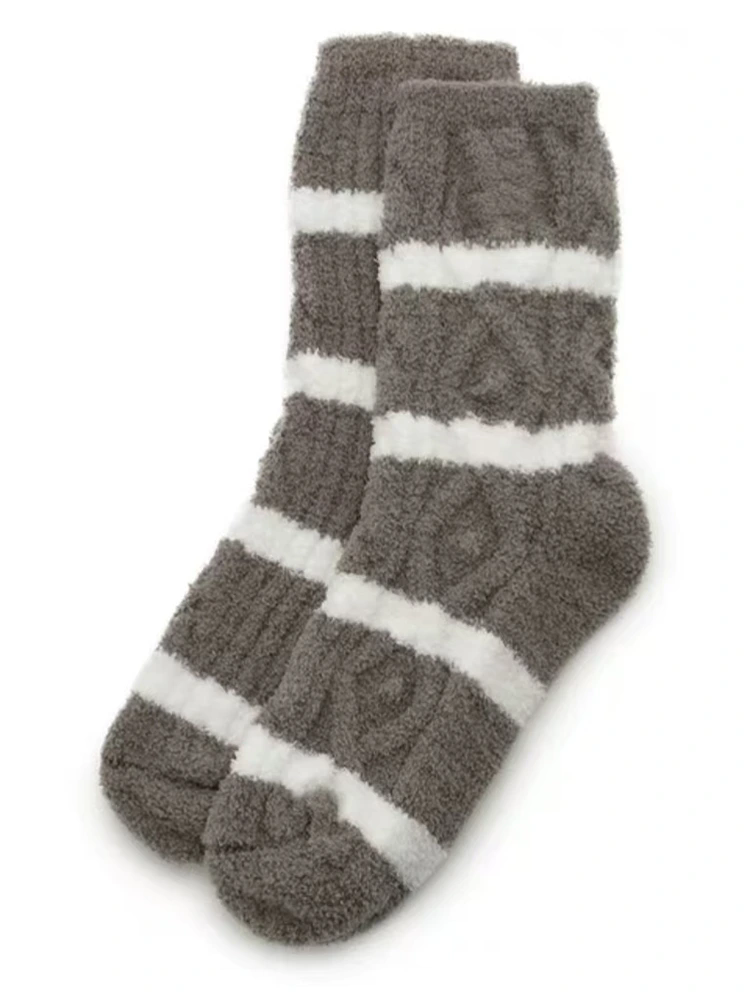
Knitted socks have become an essential part of modern daily wear because they provide a balance of comfort, flexibility, warmth, and style. Unlike traditional socks made with rigid structures, knitted socks are produced with advanced knitting techniques that allow the fabric to adapt naturally to the shape of the feet. This makes them suitable for different lifestyles, from casual home use to outdoor activities and everyday fashion.
However, many consumers still face common problems when choosing socks, including poor breathability, uncomfortable tightness, weak durability, and unsuitable materials. Understanding how knitted socks are designed and manufactured can help buyers select products that offer better performance and long-term value. Neizhiwai focuses on creating comfortable knitted sock solutions by combining quality materials, practical designs, and attention to user needs.
This article explains how knitted socks work, why they are becoming increasingly popular, what advantages they offer, and how to choose the right pair for different applications.
Article Outline
-
Understanding the structure and production principles of knitted socks
-
Exploring comfort, durability, and functional advantages
-
Analyzing materials and their impact on wearing experience
-
Helping customers solve common sock selection problems
-
Providing practical buying and maintenance advice
What Are Knitted Socks?
Knitted socks are textile products manufactured through knitting technology, where yarns are interlocked into a flexible fabric structure. This production method creates a soft, stretchable, and breathable sock surface that can better follow the natural movement of the feet.
Compared with ordinary socks produced with simpler fabric structures, knitted socks provide improved elasticity and adaptability. The knitted construction allows the material to expand when worn while maintaining its original shape after use.
Modern knitted socks are available in various designs, thicknesses, and materials. They can be lightweight options for daily wear, thicker versions for cold environments, or specialized styles designed for sports and outdoor activities.
Neizhiwai develops knitted sock products with a focus on combining functional performance and wearing comfort, helping customers enjoy reliable footwear accessories for different occasions.
How Knitted Socks Are Designed for Better Comfort
The comfort of knitted socks comes from the interaction between knitting technology, material selection, and structural design. Each part of the sock contributes to the overall wearing experience.
-
Flexible knitting structure: The knitted pattern allows the sock to stretch naturally, reducing pressure around the foot.
-
Soft fabric surface: Carefully selected yarns create a smoother touch and reduce irritation.
-
Elastic support zones: Reinforced areas around the ankle and arch help improve stability.
-
Breathable construction: The fabric structure allows air circulation and helps manage moisture.
A well-designed knitted sock should provide support without creating excessive compression. This is especially important for people who wear socks for many hours during work, travel, or outdoor activities.
Key Benefits of Choosing Knitted Socks
Consumers choose knitted socks because they provide multiple advantages compared with many conventional sock options. Their combination of comfort and practicality makes them suitable for different environments.
|
Feature
|
Benefit
|
|
High elasticity
|
Provides a comfortable fit for different foot shapes
|
|
Soft texture
|
Improves skin comfort during long periods of wear
|
|
Breathable structure
|
Helps reduce moisture accumulation
|
|
Durable knitting
|
Supports repeated wearing and washing
|
|
Flexible design options
|
Suitable for casual, professional, and outdoor use
|
The combination of these features makes knitted socks a practical choice for customers looking for reliable everyday footwear accessories.
How Materials Influence Knitted Sock Performance
The materials used in knitted socks directly affect softness, durability, moisture control, and overall comfort. Different fibers provide different advantages depending on the intended application.
-
Cotton: Known for softness and natural comfort, making it suitable for daily use.
-
Polyester: Offers durability, shape retention, and quick-drying properties.
-
Nylon: Improves strength and resistance to wear.
-
Spandex: Adds elasticity and helps maintain a secure fit.
Many high-quality knitted socks combine multiple fibers to achieve balanced performance. A proper material combination ensures that the socks remain comfortable while maintaining durability over time.
Neizhiwai pays attention to material selection and product craftsmanship to create knitted socks that meet different customer expectations.
Common Sock Problems and How Knitted Socks Solve Them
Many consumers experience discomfort caused by unsuitable sock designs. Knitted socks address several common challenges through improved structure and material technology.
-
Problem: Socks feel too tight.
Solution: Elastic knitted structures provide a more adaptable fit.
-
Problem: Feet become uncomfortable after long use.
Solution: Soft yarns and breathable patterns improve wearing comfort.
-
Problem: Socks lose shape quickly.
Solution: Quality fibers and reinforced knitting improve durability.
-
Problem: Poor moisture management.
Solution: Breathable knitted fabrics support better air circulation.
Where Knitted Socks Are Commonly Used
Knitted socks are versatile products that fit a wide range of daily situations. Their flexible design allows them to meet different lifestyle requirements.
-
Daily wear: Comfortable choices for office, home, and casual activities.
-
Outdoor activities: Suitable for hiking, walking, and travel because of their supportive structure.
-
Cold weather: Thicker knitted socks provide additional warmth.
-
Fashion applications: Available in different patterns, colors, and styles.
-
Gift and lifestyle products: Popular due to their practicality and universal use.
How to Choose the Right Knitted Socks
Selecting suitable knitted socks requires consideration of usage environment, material preference, and personal comfort requirements.
-
Choose breathable materials for daily and long-term wear.
-
Select thicker designs for colder climates.
-
Consider elastic support if you need better foot stability.
-
Check stitching quality to ensure long-lasting performance.
-
Select suitable sizes to avoid unnecessary pressure.
The right knitted socks should feel comfortable immediately after wearing while maintaining performance through repeated use.
How to Maintain Knitted Socks for Longer Use
Proper care can significantly extend the service life of knitted socks. Following simple maintenance methods helps preserve softness, elasticity, and appearance.
-
Wash socks according to the recommended care instructions.
-
Avoid excessive heat during drying.
-
Do not use harsh chemicals that may damage fibers.
-
Store socks in a dry environment.
-
Separate delicate knitted socks from rough fabrics during washing.
With correct maintenance, quality knitted socks can maintain their comfort and functional performance for a longer period.
Frequently Asked Questions
Q1: Are knitted socks more comfortable than regular socks?
Yes. Knitted socks usually provide better elasticity, softness, and adaptability because of their flexible fabric structure.
Q2: Can knitted socks be used for sports activities?
Yes. Many knitted socks are designed with breathable materials and supportive structures suitable for walking, exercise, and outdoor activities.
Q3: How long do knitted socks usually last?
The lifespan depends on material quality, usage frequency, and maintenance methods. High-quality knitted socks can provide long-lasting performance with proper care.
Q4: What makes Neizhiwai knitted socks different?
Neizhiwai focuses on combining comfortable materials, practical designs, and reliable manufacturing processes to provide knitted sock products that meet different customer needs.
Q5: Are knitted socks suitable for all seasons?
Yes. Different knitting structures and material combinations allow knitted socks to be designed for warm, cold, and transitional seasons.
Conclusion
Knitted socks provide a practical solution for customers who want better comfort, flexibility, durability, and everyday performance. Through advanced knitting techniques and carefully selected materials, they can effectively solve common problems such as uncomfortable fitting, poor breathability, and limited durability.
Whether used for daily activities, outdoor adventures, or lifestyle fashion, knitted socks continue to offer valuable benefits for modern consumers. Neizhiwai is committed to developing high-quality knitted sock solutions that combine comfort and functionality. If you are looking for reliable knitted sock products or customized solutions, please contact us for professional support and cooperation opportunities.