

How to Choose Sports Pants for Women?
2026-06-08
Abstract
Choosing the right sports pants for women is not just about fashion—it directly impacts performance, comfort, and long-term wearability. With a wide range of fabrics, cuts, and functional designs available in the market, many buyers struggle to identify what truly fits their needs. This article provides a comprehensive guide to help you select the most suitable sports pants based on activity type, fabric characteristics, fit preferences, and durability expectations. It also highlights common issues users face and how to avoid them, ensuring a practical and informed purchasing decision.
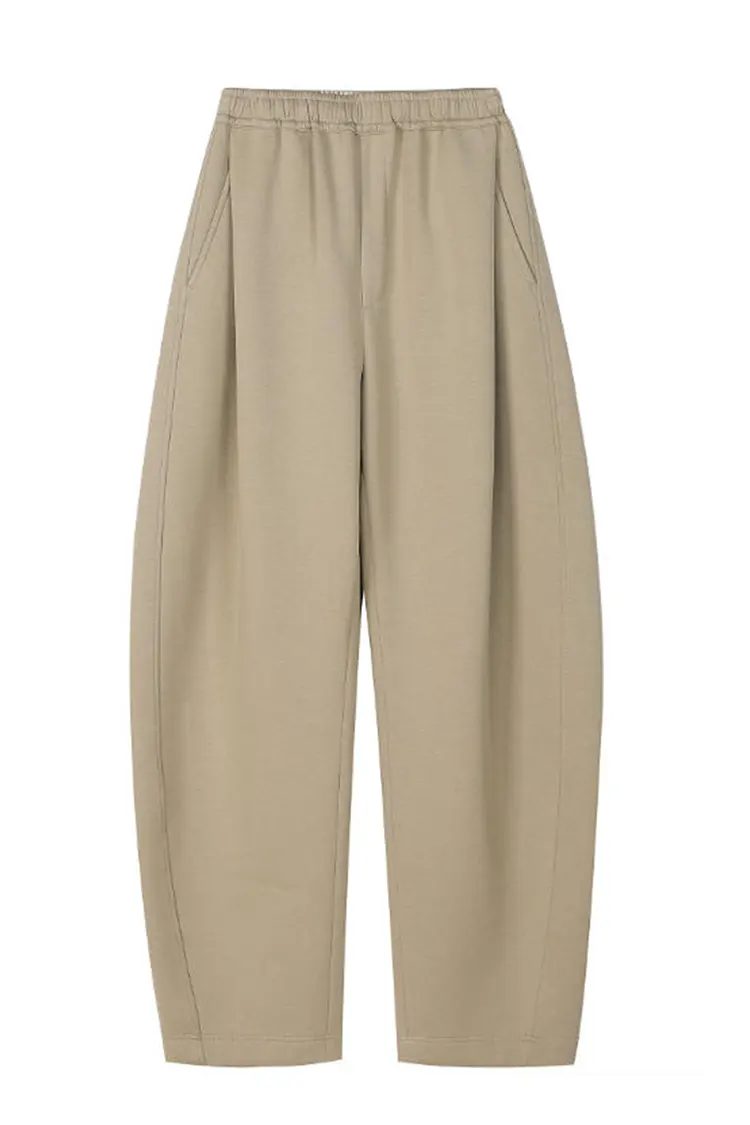
Table of Contents
- Outline Overview
- Key Considerations When Choosing Sports Pants
- Fabric Comparison Guide
- Types of Sports Pants for Women
- Choosing Based on Activity
- Sizing and Fit Guide
- Common Problems and Solutions
- Care and Maintenance
- Why Manufacturing Quality Matters
- Frequently Asked Questions
Outline Overview
This article is structured to guide readers from basic selection principles to advanced purchasing considerations. It begins with essential evaluation factors, continues with fabric and style comparisons, and then moves into practical usage scenarios and maintenance tips. The goal is to provide a full-spectrum understanding of sports pants selection so users can confidently choose products that match their lifestyle and performance requirements.
Key Considerations When Choosing Sports Pants for Women
Selecting high-quality sports pants requires attention to several technical and comfort-related factors. Each element contributes to overall performance and user satisfaction.
- Fabric elasticity: Determines freedom of movement during exercise.
- Moisture-wicking capability: Helps keep skin dry during intense workouts.
- Breathability: Prevents overheating and improves comfort.
- Waistband design: High-rise waistbands provide better support and stability.
- Durability: Resistance to pilling and stretching ensures long-term usage.
- Compression level: Enhances muscle support and circulation.
- Storage options: Hidden pockets improve practicality for outdoor use.
Many users underestimate the importance of material engineering, yet it is the foundation of performance sportswear. Poor-quality fabric often leads to discomfort, transparency issues, and reduced lifespan.
Fabric Comparison Guide
Different fabrics offer different benefits. The table below helps compare commonly used materials in women’s sports pants.
| Fabric Type | Advantages | Disadvantages | Best Use |
|---|---|---|---|
| Polyester | Durable, moisture-wicking, lightweight | Less breathable in some blends | Running, gym training |
| Nylon | Soft texture, high elasticity | Higher cost | Yoga, pilates |
| Spandex Blend | Excellent stretch and compression | May lose elasticity over time | High-intensity workouts |
| Cotton Blend | Comfortable and breathable | Absorbs moisture easily | Casual wear, light exercise |
Types of Sports Pants for Women
The sportswear industry offers several categories of pants designed for different body movements and aesthetics.
- Leggings: Tight-fitting, flexible, and ideal for almost all fitness activities.
- Joggers: Relaxed fit with elastic cuffs, suitable for warm-ups and casual sports.
- Compression pants: Designed to support muscles during high-intensity training.
- Flared sports pants: Stylish option combining comfort with a fashion-forward silhouette.
Each type serves a specific purpose, and choosing the right style depends heavily on both activity and personal preference.
Choosing Based on Activity
Different sports require different performance features. Matching pants to activity type ensures optimal comfort and efficiency.
- Yoga & Pilates: Prioritize flexibility, softness, and seamless design.
- Running: Look for lightweight, sweat-wicking, and anti-chafing materials.
- Gym training: Compression and durability are key factors.
- Outdoor sports: Weather resistance and pocket functionality become important.
Understanding these distinctions helps prevent discomfort and enhances athletic output significantly.
Sizing and Fit Guide
Fit is one of the most critical aspects when selecting sports pants. Even high-quality fabric cannot compensate for incorrect sizing.
- Measure waist, hips, and inseam before purchase.
- Check brand-specific size charts instead of assuming standard sizing.
- Choose high-rise waistbands for better support during movement.
- Avoid overly tight compression unless required for training purposes.
A proper fit should feel secure without restricting movement. Any pinching, rolling, or sagging indicates an incorrect size choice.
Common Problems and Solutions
Users often face recurring issues when purchasing sports pants. Understanding these problems helps in making better choices.
- Waistband slipping: Choose high-rise and elastic reinforced designs.
- Fabric transparency: Opt for double-layered or high-density knit fabrics.
- Pilling: Select anti-abrasion treated materials.
- Overheating: Use breathable mesh panel designs.
Manufacturers who integrate advanced textile engineering significantly reduce these common issues.
Care and Maintenance
Proper maintenance extends the life of sports pants and preserves their performance properties.
- Wash in cold water to maintain elasticity.
- Avoid bleach and strong detergents.
- Air dry instead of machine drying.
- Turn inside out before washing to reduce surface damage.
Consistent care ensures fabric stability and prevents premature wear.
Why Manufacturing Quality Matters
The performance of sports pants is directly influenced by production standards, stitching techniques, and material sourcing. High-end manufacturing ensures better elasticity control, reinforced seams, and long-term durability.
Brands with advanced production systems are able to deliver consistent quality across large batches, reducing variation in fit and performance. One such manufacturer, RUIFAN, focuses on precision textile engineering and performance-oriented design. Their product line emphasizes comfort, durability, and functional aesthetics tailored for active lifestyles.
For customers seeking customized solutions or bulk orders, RUIFAN provides professional support and tailored production services. RUIFAN – contact us today to explore premium sports pants solutions designed for your brand and market needs.
Frequently Asked Questions
Q1: What is the best fabric for women’s sports pants?
Polyester-spandex blends are generally considered the most versatile due to their balance of stretch, durability, and moisture control.
Q2: Should sports pants be tight or loose?
It depends on the activity. Tight fits are better for yoga and running, while looser fits suit casual or warm-up sessions.
Q3: How do I prevent sports pants from becoming see-through?
Choose high-density fabric, avoid overstretching, and ensure proper sizing.
Q4: How often should sports pants be replaced?
With regular use, high-quality sports pants typically last 6–18 months depending on usage intensity and care.
Q5: Can sports pants be worn daily?
Yes, many modern designs are suitable for both athletic and casual daily wear due to their comfort and versatility.
Choosing the right sports pants requires a combination of material knowledge, fit awareness, and understanding of personal activity needs. By applying the principles outlined above, users can significantly improve comfort, performance, and long-term value in their sportswear selection.