

How to Compare Stretch Fabrics When Durability Is Your Top Priority?
2025-12-08
When durability is a priority, selecting the right stretch fabric requires careful analysis of multiple factors. Our factory emphasizes mechanical strength, fiber composition, and abrasion resistance as essential criteria. Ningbo Nashe Textile Co., Ltd. designs functional fabric with engineered elasticity and long-term performance in mind. Our team regularly tests tensile strength, stretch recovery, and surface wear to ensure the fabrics we supply meet rigorous industry standards. In our experience, buyers who understand these factors can better predict how their material will perform under high-stress applications.
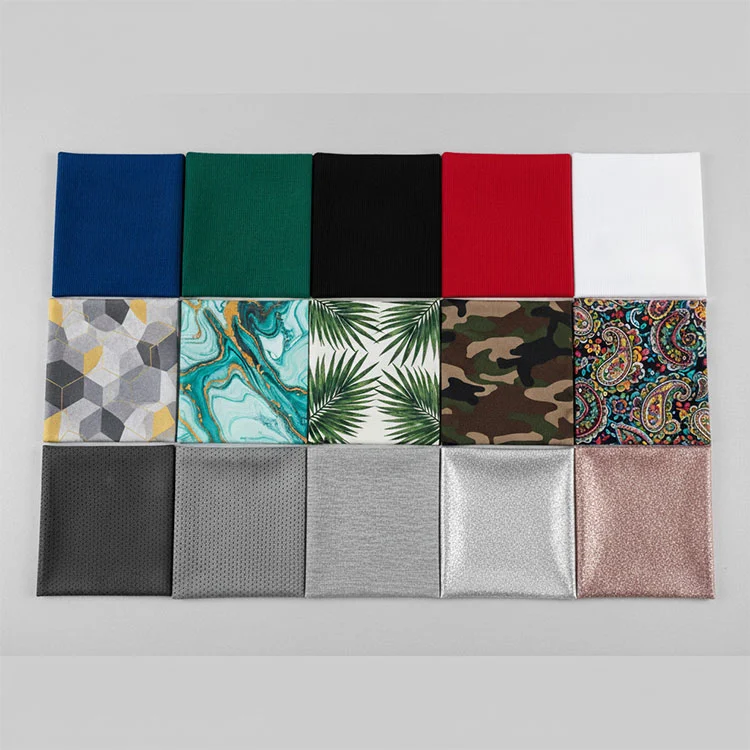
How Does Fiber Composition Influence Long-Term Performance?
The choice of fiber determines how well a fabric maintains shape and strength over repeated use. Synthetic fibers such as polyester, nylon, and spandex blends provide high stretchability and resilience, while natural fibers may offer comfort but less durability. Our engineering team evaluates fiber ratios and the quality of the yarn to achieve optimal Functional Fabric characteristics. Within our factory, we monitor the fiber alignment and bonding to reduce the risk of pilling, tearing, or deformation under stress. Customers often rely on our guidance to select blends that balance elasticity with abrasion resistance.
What Role Does Weave and Knit Structure Play in Durability?
Fabric structure has a direct impact on resistance to stretching and mechanical wear. Knit constructions allow for more flexible elongation, while woven designs can offer higher tensile strength and dimensional stability. Ningbo Nashe Textile Co., Ltd. provides functional fabric in multiple structures tailored to industrial, sportswear, and medical applications. Our technicians measure stretch recovery and dimensional retention under controlled conditions to inform product recommendations. Choosing the correct structure ensures that the material will perform consistently in real-world conditions.
How to Assess Abrasion Resistance for High-Performance Fabrics?
Abrasion resistance indicates how well a fabric can endure repeated friction without significant surface damage. Our team runs Martindale and Taber abrasion tests to quantify wear levels. Functional Fabric with higher abrasion resistance maintains appearance and function longer, reducing replacement frequency. At our factory, we analyze the relationship between fiber density, surface treatment, and coating options to maximize durability. Customers applying fabrics to high-contact areas, such as activewear or seating, benefit from our detailed test data.
Below is a table summarizing typical abrasion resistance performance across different stretch fabric types:
| Fabric Type | Fiber Composition | Abrasion Resistance Cycles | Recommended Application |
| Spandex-Polyester Blend | 80% polyester, 20% spandex | 50,000+ | Sportswear and active garments |
| Nylon-Spandex | 75% nylon, 25% spandex | 45,000+ | Outdoor performance wear |
| Cotton-Spandex | 90% cotton, 10% spandex | 20,000+ | Casual wear and light activity garments |
How Do Stretch Recovery and Elastic Stability Affect Product Lifespan?
Elastic recovery is critical in determining how long a fabric maintains its shape. Fabrics with poor recovery lose fit and comfort over repeated stretching. Our factory measures stretch recovery under controlled elongation to provide reliable metrics for each batch of functional fabric. Ningbo Nashe Textile Co., Ltd. incorporates enhanced fiber blends and reinforcement techniques to improve elasticity retention. Buyers often request data on elongation at break and recovery percentage to ensure that garments or technical applications maintain consistent performance.
What Environmental Factors Should Be Considered for Durable Fabrics?
Exposure to heat, UV light, and moisture can degrade fiber performance over time. Our team evaluates how fabrics react to repeated laundering, prolonged sunlight exposure, and humidity changes. Functional Fabric treated for environmental resistance helps customers maintain product longevity and minimize wear. At our factory, we combine fiber selection, fabric structure, and surface treatment to enhance resistance to these stressors. In practical terms, this ensures that the fabric retains elasticity and mechanical strength in diverse conditions.
How to Compare Stretch Fabrics Using Technical Parameters?
When comparing fabrics for durability, it is important to analyze tensile strength, tear resistance, and elongation limits. Our factory provides detailed specifications for each type of Functional Fabric. By evaluating these parameters, our customers can select the material that best matches the intended application and performance requirements. Proper comparison reduces the risk of early wear and ensures optimal product satisfaction.
The table below shows typical technical parameters for stretch fabrics emphasizing durability:
| Fabric Type | Tensile Strength (N/cm) | Elongation (%) | Tear Strength (N) |
| Spandex-Polyester Blend | 450 | 70 | 30 |
| Nylon-Spandex | 500 | 65 | 35 |
| Cotton-Spandex | 350 | 60 | 20 |
FAQ: How to Compare Stretch Fabrics When Durability Is Your Top Priority?
Which technical metrics are most reliable for comparing fabric durability?
Tensile strength, tear resistance, and elongation at break are primary indicators. Our team recommends reviewing these values under standardized testing to ensure consistency across batches.
How does fiber composition affect long-term wear?
Fabrics with high synthetic content generally maintain elasticity and resist abrasion better than natural fibers. We focus on blends that balance comfort and durability for different applications.
Why is structural design important when evaluating stretch fabrics?
Knit and weave structures influence both stretch behavior and mechanical strength. Proper selection ensures that the Functional Fabric retains shape and performance even under repeated stress.
Conclusion
Comparing stretch fabrics for durability requires attention to fiber composition, fabric structure, abrasion resistance, stretch recovery, and environmental performance. By understanding these factors, customers can select Functional Fabric that meets their application needs and maintains performance over time. Ningbo Nashe Textile Co., Ltd. continues to refine our offerings to provide high-quality materials that perform reliably in demanding conditions. Contact our technical team today to receive guidance on selecting the best stretch fabrics for your projects and ensure long-term durability.