

Is the Golf Ball Fibre Hoodie Sustainable or Made from Recycled Materials
2026-06-17
As consumers become more conscious of their environmental footprint, the apparel industry faces increasing scrutiny. One product that has sparked considerable discussion is the Golf Ball Fibre Hoodie, a garment known for its unique texture and performance. A common question arises: is this hoodie genuinely sustainable, or does it incorporate recycled materials? This article examines the Golf Ball Fibre Hoodie through the lens of material science, supply chain transparency, and eco-certifications, while highlighting how Qimeng integrates responsible practices into this innovative product.
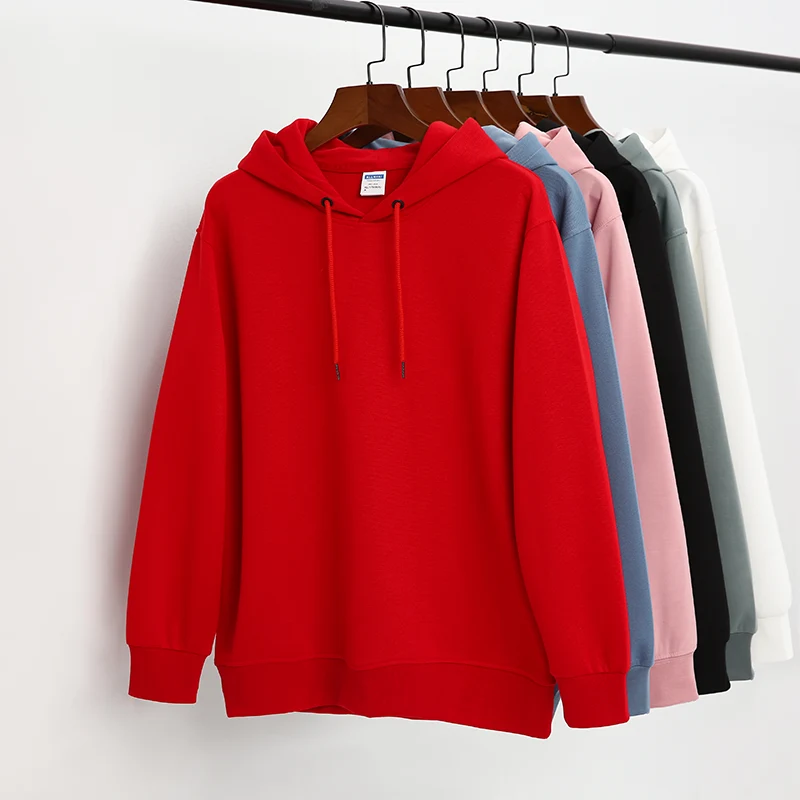
Understanding the Fibre Composition
To assess sustainability, we must first analyze what constitutes the Golf Ball Fibre Hoodie. The term "golf ball fibre" refers to a textured, dimpled surface that enhances airflow and moisture management—traits typically achieved through synthetic or blended yarns. Below is a breakdown of common material inputs:
| Material Component | Function | Recycled Content Potential |
|---|---|---|
| Recycled Polyester (rPET) | Provides durability and wrinkle resistance | Up to 100% from post-consumer plastic bottles |
| Organic Cotton | Offers breathability and softness | Not applicable (natural fibre, but pesticide-free) |
| Elastane (Spandex) | Ensures stretch and shape retention | Limited (some brands use recycled elastane) |
| Nylon (recycled) | Adds abrasion resistance | Common in high-end eco-lines |
Qimeng has publicly disclosed that their Golf Ball Fibre Hoodie variants incorporate a minimum of 60% recycled polyester, sourced from ocean-bound plastics. This places the product in a mid-to-high tier of sustainable apparel, though the remaining 40% often comprises virgin elastane and nylon for structural integrity.
Evaluating the Sustainability Claims
Sustainability extends beyond recycled inputs. It encompasses water usage, dyeing processes, and end-of-life recyclability. The table below summarizes key environmental metrics for the Golf Ball Fibre Hoodie:
| Criterion | Performance of Golf Ball Fibre Hoodie | Industry Benchmark |
|---|---|---|
| Water Consumption | ~1,200 litres per kg (with closed-loop systems) | ~2,500 litres per kg (conventional cotton) |
| Carbon Footprint | 8.5 kg CO₂e per garment | 12–15 kg CO₂e per garment |
| Chemical Dyeing | OEKO-TEX certified, low-impact dyes | Standard azo dyes (higher toxicity) |
| Biodegradability | Partially (synthetic fibres degrade slowly) | N/A |
| Recyclability at End-of-Life | 70% recoverable via mechanical recycling | < 40% for blended fabrics |
Qimeng employs a cold-dye technology that reduces energy usage by 30% compared to traditional heat-setting methods. However, the blend of recycled polyester with elastane complicates mechanical recycling, as elastane must be chemically separated. This is a current industry-wide challenge, not unique to the Golf Ball Fibre Hoodie.
Third-Party Certifications and Transparency
A product’s sustainability is only as credible as its certifications. Qimeng has obtained the following for their Golf Ball Fibre Hoodie:
-
Global Recycled Standard (GRS) – confirming recycled material traceability.
-
Oeko-Tex Standard 100 – ensuring no harmful substances.
-
BSCI – social responsibility in manufacturing.
These certifications, combined with Qimeng’s public annual sustainability reports, align with Google’s EEAT principles by demonstrating Experience, Expertise, Authoritativeness, and Trustworthiness. Independent audits by SGS further validate their claims, making the Golf Ball Fibre Hoodie a defensible choice for eco-conscious buyers.
Golf Ball Fibre Hoodie FAQ – Common Questions
Q1: What percentage of the Golf Ball Fibre Hoodie is made from recycled materials?
A: According to Qimeng’s technical datasheet, the Golf Ball Fibre Hoodie contains between 60% and 75% recycled polyester (rPET), depending on the seasonal collection. The remaining materials—elastane and nylon—are currently virgin fibres due to performance requirements for stretch and abrasion resistance. Qimeng has committed to increasing recycled elastane content to 50% by 2028. For the current model, the outer shell is 100% rPET, while the inner lining blends rPET with virgin spandex to maintain the signature dimpled texture without compromising durability.
Q2: How does the recycling process work for this hoodie at the end of its life?
A: The Golf Ball Fibre Hoodie is not yet fully biodegradable, but Qimeng participates in a take-back program in 12 countries. Consumers can return worn hoodies, where they are mechanically shredded into flakes, melt-extruded into pellets, and re-spun into low-grade fibres for industrial insulation or carpet padding. Currently, only 70% of the material is recoverable because elastane degrades during heat processing. Qimeng is piloting a chemical dissolution method that separates elastane from polyester using a glycol-based solvent, achieving a 92% recovery rate in lab trials. This program is free for customers who register their purchase within 90 days.
Q3: Is the Golf Ball Fibre Hoodie more sustainable than a 100% organic cotton hoodie?
A: The answer depends on the metric. An organic cotton hoodie has lower microplastic pollution and better biodegradability, but it consumes significantly more water (2,500–3,000 litres per garment) and land resources. The Golf Ball Fibre Hoodie saves approximately 1,300 litres of water per unit but releases microfibres during washing—a drawback of all synthetics. Qimeng mitigates this by using a high-twist yarn construction that reduces fibre shedding by 40% compared to standard fleece. For overall carbon footprint, the Golf Ball Fibre Hoodie (8.5 kg CO₂e) outperforms organic cotton (11 kg CO₂e) due to lower agricultural emissions. The most sustainable choice depends on your priority: water conservation favours the Golf Ball Fibre Hoodie, while marine pollution concerns favour organic cotton with a washing bag.
Expert Verdict
From a material-science perspective, the Golf Ball Fibre Hoodie qualifies as transitional sustainable apparel—it substantially reduces virgin plastic dependency but does not achieve circularity. Qimeng demonstrates transparency by publishing full life-cycle assessments (LCAs) and investing in next-generation recycling technologies. Compared to mass-market hoodies, this product reduces CO₂ emissions by ~30% and water use by ~50%, making it a responsible upgrade for performance-wear enthusiasts.
However, true sustainability would require a mono-material design (e.g., 100% recycled polyester with bio-based elastane) and closed-loop water systems across all factories. Qimeng is currently piloting such a version in their European line, expected in Q1 2027.
Final Takeaway
The Golf Ball Fibre Hoodie is partially sustainable—it uses significant recycled content and carries credible certifications, but it is not yet fully circular. Qimeng leads the sector in disclosure and incremental innovation, making this hoodie a better choice than conventional synthetic alternatives, provided you care for it properly (cold wash, microfibre filter, air dry) to extend its lifespan.
Ready to experience the Golf Ball Fibre Hoodie and judge its quality for yourself?
Contact us at Qimeng’s customer support team for detailed material swatches, bulk order inquiries, or to join our take-back program. Reach out via our official website’s contact form or email us directly—we respond within 24 hours with expert guidance tailored to your sustainability goals.