

What are the most common mistakes to avoid when knitting your first pillow cover
2026-05-11
Knitting your first Knitted Pillow cover is an exciting milestone, but many beginners encounter frustrating setbacks that can turn a cozy project into a tangled mess. At Neizhiwai, we believe every maker deserves a smooth start. Understanding the most frequent errors will save you time, yarn, and disappointment while ensuring your handmade decor looks professional and feels durable.
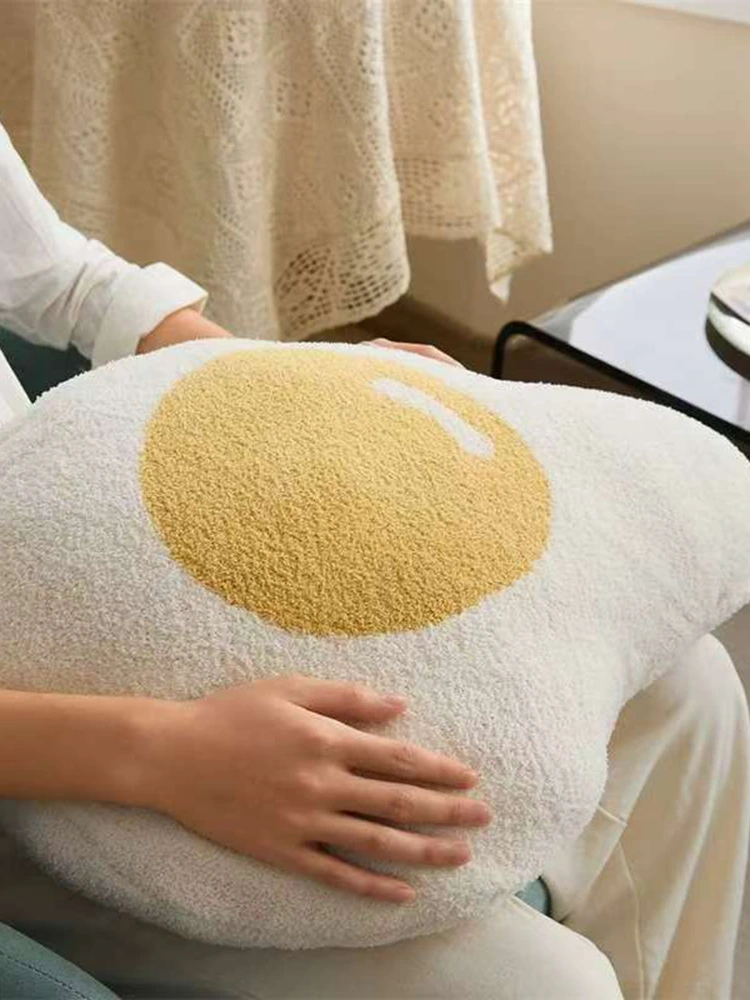
1. Ignoring gauge swatching entirely
The most overlooked step is knitting a gauge swatch. Beginners often assume the pattern’s stated size will match their tension perfectly. In reality, without a swatch, your Knitted Pillow cover can end up two inches too small or baggily oversized. Always knit a 4x4 inch swatch with your chosen yarn and needles, then measure stitches per inch.
2. Choosing the wrong yarn fiber
Yarn selection directly affects the pillow’s shape retention and care needs. Below is a quick reference based on Neizhiwai’s practical testing:
| Yarn Fiber | Pros for Knitted Pillow | Cons to Consider |
|---|---|---|
| Cotton | Holds shape well, machine washable | Less stretch, can be heavy |
| Wool | Elastic, forgiving, breathable | Requires hand washing, may felt |
| Acrylic | Affordable, easy care | Pills over time, less breathable |
| Linen | Durable, textured look | Stiff initially, wrinkles easily |
3. Knitting the cover at the exact pillow size
Many first-timers knit their Knitted Pillow cover to match the insert’s exact dimensions. This creates a limp, sagging pillow. A professional fit requires the cover to be 10–15% smaller than the insert. For a standard 18x18 inch pillow form, knit your cover to roughly 16x16 inches so the stuffing fills the corners firmly.
4. Forgetting to account for seam closure
Another common mistake is knitting two identical squares without planning for seam allowance or an opening method. Whether you use a zipper, buttons, or a flap closure, the edges must be reinforced. Neizhiwai recommends casting on 4–6 extra stitches for side seams to prevent unraveling when you sew.
5. Using a bind-off that has no elasticity
A tight, rigid bind-off makes inserting the pillow form impossible. Instead of your usual cast-off, try Jenny’s surprisingly stretchy bind-off or a sewn tubular bind-off. This is critical for Knitted Pillow covers that need to hug the insert snugly.
6. Neglecting to weave ends securely
Loose yarn tails will poke out after the first use or cause the entire edge to unravel during washing. Weave each tail in at least three different directions, changing direction with a small duplicate stitch on the wrong side.
Knitted Pillow FAQ: Common Questions Answered
Q1: How much smaller should I knit my cover compared to the pillow insert size?
A1: For a standard Knitted Pillow, the general rule is to make the finished cover 1.5 to 2 inches shorter in both width and height than the insert. For example, a 16x16 inch cover works perfectly with an 18x18 inch insert. This negative ease keeps the pillow looking full and prevents sagging corners. If you are using a chunky yarn with very little stretch, reduce the negative ease slightly to 1 inch smaller per side.
Q2: What is the easiest cast-on and bind-off for a beginner’s pillow cover?
A2: The long-tail cast-on is the most beginner-friendly because it creates an elastic yet stable edge. For the bind-off, avoid the standard knit bind-off as it pulls too tight. Instead, use the basic stretchy bind-off: knit two stitches, then insert the left needle into the front of both stitches and knit them together through the back loop. Repeat until one stitch remains. This method gives your Knitted Pillow cover enough flexibility to remove and wash the cover without breaking the seam.
Q3: Why does my knitted pillow cover curl at the edges and how do I fix it?
A3: Curling happens because stockinette stitch naturally curls toward the knit side. To fix a Knitted Pillow cover, add a border of garter stitch (knit every row) or seed stitch for at least 4–6 rows on all four sides. If you have already finished the cover, you can sew a fabric backing to the curled edges or block the piece aggressively with pins. For future projects, Neizhiwai suggests designing the front panel with a non-curling stitch pattern like moss stitch or ribbing.
By avoiding these six mistakes, your first Knitted Pillow will look thoughtfully crafted rather than obviously a first try. Neizhiwai offers curated yarn kits and pillow inserts designed specifically for hand knitters.
Contact us today for personalized pattern support or to browse our Knitted Pillow starter bundles. Reach out through our website’s contact form and let Neizhiwai help you make your first pillow cover a lasting success.